
Couples Therapy
in El Cerrito, CA
Have You Become Roommates, Strangers, or Adversaries Instead of Partners?
Something shifts in nearly every long relationship, and often shorter ones when you become comfortable. The easy flow you once had hardens into ruts-- the same fight about the dishes, the same silence after a hard conversation, the same feeling of being unheard even when you're both trying. Couples come to me holding a long list of things they want to change about their partner: more affection, less nagging, a fairer split of the load, someone who actually listens. Underneath that list is almost always the same wish -- to feel like a team again, not like two people negotiating a truce. In these predictable cycles of approach and withdrawal often what’s missing is connection.
With couples therapy, you can learn to hear the need underneath the complaint -- yours and your partner's -- and find your way back to each other.

Do conversations with your partner turn into arguments before you've said much at all? Have you started keeping score — of chores, of who apologized last, of who tries harder? Do you find yourself rehearsing your case instead of listening?
Or maybe the conflict has gone quiet instead — maybe you drift past each other, as though invisible, going through the motions without really being together. Do you remember a time when you didn't feel so terribly alone, even while in the same room?
Is there an earlier version of your relationship that felt easier than this one — a version that now seems out of reach?
Reach Out with any Questions About Couples Therapy
Every Relationship Has Its Standoffs

No couple moves through the years without conflict. A relationship is like a roadtrip with all the ups, downs, and stalls. Health scares, new babies, job loss, aging parents, the plain accumulation of daily stress: any of these can knock a relationship's equilibrium sideways. Given that most of us were never taught how to fight constructively or ask for what we need directly, it makes sense that couples get stuck. Many couples who come to marriage counseling describe feeling like they've become experts at winning arguments or avoiding challenging conversations. Truthfully, they acknowledge that they are novices at actually resolving issues that arise. And so the slow drift apart continues.
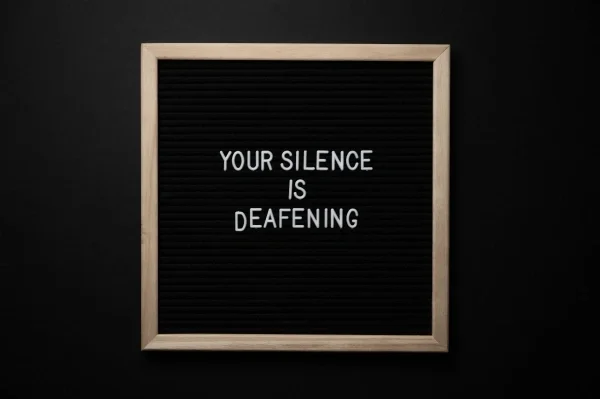
Often, both partners are adamant the other one needs to change first. I call this an "intimate standoff" -- two people, both hurting, both convinced of their own rightness, digging in while the relationship suffers. This isn't a sign your relationship is broken. It's what happens to almost every couple who has stopped feeling safe enough to be vulnerable with one another.
The good news is that with an experienced couples counselor, you can learn to recognize the standoff for what it is -- not a referendum on your relationship's worth, but a pattern that can be unlearned and replaced with new ways of interacting that create connection.
Couples Therapy That Gets Underneath the Argument
What A Session Might Look Like
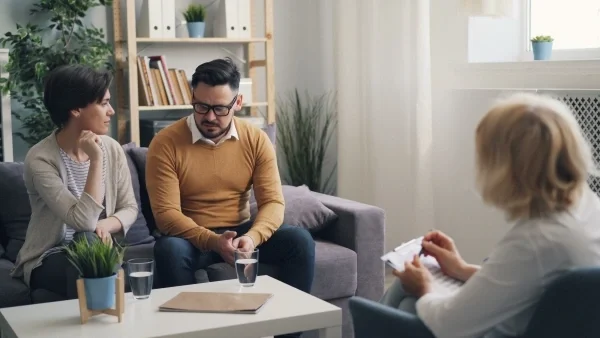
As a couples therapist trained in Emotionally Focused Therapy (EFT) alongside Internal Family Systems and somatic approaches, my work with couples is rarely about the dishes, even when the dishes are what you came in arguing about. It's about what's underneath: the attachment fears, old wounds, and unmet needs that get triggered by seemingly small moments turned into full-blown standoffs.
Building New Patterns Together
In session, I help each of you slow down enough to notice what you're actually feeling underneath the anger, withdrawal, or defensiveness -- and to let your partner see it. This is often the first time either of you has witnessed the vulnerability under the armor, and it changes things. When one partner can say, "when you raise your voice, I feel like a kid again, waiting to be yelled at," instead of just yelling back, something softens that logic alone never could.
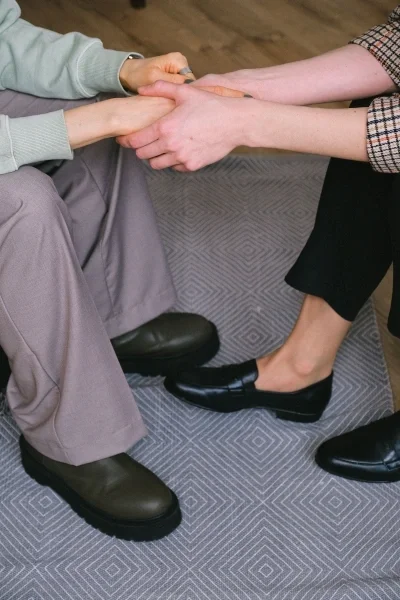
We'll also look at the specific cycle your relationship gets stuck in -- often one partner pursuing connection while the other withdraws to protect themselves, each behavior making the other's fear worse. Couples communication therapy in my practice isn't about scripts or rules; it's about understanding why you communicate the way you do, so that new, more honest ways of relating can actually take hold. For couples working through disconnection around physical or emotional closeness, intimacy therapy and intimacy counseling are often part of this work as well, addressing both the practical and the deeply emotional layers of feeling distant from a partner.
I've worked with couples navigating conflicts that started three weeks ago and ones that started thirty years ago, married and unmarried alike. Whether you're seeking marriage therapy for a decades-long partnership or couples counseling earlier in a relationship, what I've seen again and again is that when both partners bring even a flicker of willingness to try, real change is possible -- not by becoming a different couple, but by learning to see and respond to each other differently.
Making Room for Both of You

One thing I hold carefully as a marriage and family therapist is that couples work isn't about finding fault or naming a "problem partner." Even when one person's behavior is more visibly disruptive -- an affair, a harsh temper, a retreat into work or screens -- there are usually two people who have each stopped feeling safe enough to show up fully. I try to help both of you feel understood before we ask either of you to change anything. In my experience, couples who feel truly heard by their therapist, not just refereed, are far more willing to risk the vulnerability that actual repair requires. This doesn't mean every relationship should be saved at all costs; sometimes couples therapy also helps partners part ways with more clarity and less damage. Either way, the goal is the same: helping you both see what's actually happening, clearly enough to choose your next step deliberately rather than out of habit or fear.
But You May Still Have Questions
-
This is common, and you have options. I can meet with you individually to work on the patterns you have influence over, which often shifts the dynamic even before your partner joins. When they're ready, the door is open to work collaboratively.
-
It's a fair fear. Couples therapy can surface things that have been avoided for a long time. But you're in this room because you want to fix something, not end it. I hold sessions with care and structure so that hard truths can be spoken without the relationship shattering under their weight.
-
A previous round of therapy with a marriage counselor or marriage therapist not working doesn't mean this one won't. Fit matters enormously in couples work -- between you and your therapist, and in the approach itself. I'm happy to talk through what didn't land before and whether this way of working feels different for you both.

You Can Feel Like a Team Again
If you and your partner are ready to stop keeping score and start understanding each other again, I offer a free 20-minute consultation to see if we're a good fit. I see couples in person in El Cerrito and the East Bay, and virtually throughout California.
Recent Posts