What the Rat Park Experiment Teaches Us About Addiction
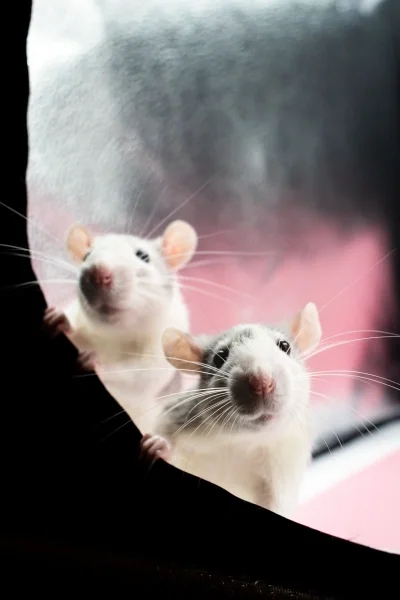
Imagine two very different homes for a group of rats. In one, each rat lives alone in a small metal cage, with nothing to do but eat, sleep, and drink from one of two water bottles -- one plain, one laced with morphine. In the other, dozens of rats live together in a spacious, colorful enclosure with wheels to run on, boxes to hide in, and other rats to play, mate, and fight with. Both groups have access to the same drugged water. What happens next has shaped decades of thinking about addiction -- and it might change how you think about your own struggle, or a loved one's.
What Was the Rat Park Experiment?
In the late 1970s, Canadian psychologist Bruce Alexander noticed something odd about the addiction research of his time. Nearly every study showing that rats would compulsively self-administer drugs, sometimes to the point of death, used rats housed completely alone in small cages. Alexander wondered whether the isolation itself, not just the drug, was driving the compulsive use.
To test this, he built what became known as "Rat Park": a large, enriched environment where rats could socialize, play, and roam, instead of sitting alone with nothing to do but push a lever. When rats in Rat Park were given access to the same morphine-laced water as the isolated rats, they consumed dramatically less of it, even when nothing else about the drug had changed.
Why Connection Mattered More Than the Drug
The implication was striking: for these rats, addiction wasn't purely a matter of a substance hijacking the brain. It was also a response to the environment. Isolated, understimulated, and without connection, the drugged water offered something the cage itself could not. Given a life with company, purpose, and stimulation, many rats simply had less need for it.
It's worth saying plainly that Rat Park isn't the final word. Later attempts to replicate the findings have produced mixed results, and addiction in humans is shaped by far more than social environment alone -- genetics, trauma history, mental health, and the chemical properties of specific substances all play a role too. But the core insight has held up reasonably well across decades of subsequent research: connection and environment matter enormously in who develops compulsive substance use, and who doesn't.
How This Shows Up in Substance Abuse Therapy
I think about Rat Park often in my work with clients navigating substance use. So much of addiction treatment focuses narrowly on the substance itself -- how to stop, how to resist, how to white-knuckle through a craving. Rat Park is a reminder that the substance is rarely the whole story. It's often filling a role: managing isolation, boredom, unprocessed pain, or a life that doesn't currently offer enough connection or meaning.
This is part of why my approach to substance abuse counseling doesn't stop at reducing use. We look honestly at what the substance has been doing for you, and we work to rebuild the things Rat Park suggests matter most: genuine connection, a sense of purpose, and a life your nervous system doesn't need to escape from. Addiction tends to loosen its grip not when it's fought head-on, but when the life around it becomes one worth being present for.

If Rat Park's findings resonate with your own experience, or a loved one's, it might be worth exploring what your own "cage" or "park" looks like right now. Reaching out to a therapist who specializes in substance abuse counseling can be a meaningful first step toward building that fuller life. Contact me if you'd like to talk it through.