The Stories We Tell Ourselves

We tend to imagine childhood as something that lays down a road -- brick by brick, in order, leading somewhere we can trace backward if we ever need to understand how we got here. In practice, it rarely works that way. What childhood actually leaves behind is closer to a mosaic than a sidewalk: pieces set at odd angles, some larger than others, some barely visible unless the light hits them a certain way. We don't lay it down consciously. We're rarely aware, while it's happening, that it's happening at all. And by adulthood, many of us have forgotten the specific experiences that placed each piece, even as we walk on the ground they created every day.
Misattunement Doesn't Require Cruelty
One of the most persistent misunderstandings about childhood wounds is that they require something dramatic to have happened -- abuse, neglect, a story you could tell at a dinner party and have people gasp. But gaps in self confidence and inner safety don't need cruelty to take root. They don't even require parents who fell short of "good enough." Sometimes all it takes is misattunement: a highly sensitive child paired with a parent who isn't especially sensitive themselves, each doing their best without quite being able to see or meet the other where they actually are.
There is no intent to harm in this kind of story. No one is at fault. A parent can love a child fully and still, again and again, respond a half-step off from what that particular child needed in that particular moment -- too much correction instead of comfort, too much expectation and too little acceptance. Repeated enough times, these small mismatches leave scars, sometimes barely noticeable, sometimes larger than realized. The absence of intention doesn't erase the impact. It just means there's no villain to blame, which can make the wound harder to name and easier to minimize.
The Unreliable Narrator Inside
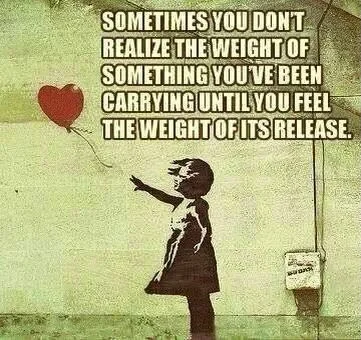
During childhood and adolescence most of us develop an inner narrator -- the voice that quietly interprets our worth, our capability, our place in relationships. The trouble is, we rarely remember who or how that voice's first draft was written. It may have been assembled in pieces, at ages too young to question it, out of exactly the kind of misattuned moments described above. And once written, that internal script tends to keep narrating from the same old notes, whether or not they still apply. Scripts, when repeated often enough, can take on the air of fact – a “self truth” carving out our self-image and shaping our lived experience.
An unreliable narrator like this often leaves out important parts of the story. It may fixate on other people's needs and reactions while skipping over your own. It may resist updating even when alternative evidence arrives -- a healthy relationship, a genuine success, a moment of being truly seen -- because the script wasn’t designed to incorporate new data. Instead, it loops. The same old interpretation, replayed on a new day, in a new context, as though nothing has changed since the moment the story was first written.
Rewriting the Script
Attachment-based therapy is, in large part, about going back to find out how your inner narrator was molded by interactions with early caregivers, and sometimes central adult relationships. Together, we explore the messages that were internalized as well as those that have been cast aside. By seeing the mosaic laid by early relationships and experiences, you can begin to revise the script. Updating your story doesn’t have to entail assigning blame. It does entail stepping free of the looping patterns that have limited self-actualization and social relationships. If you recognize in yourself a script that keeps looping and self-defeating patterns you can’t seem to shake, I'd love to help you find where it was written and begin revising it. Reach out for a free 20-minute consultation to talk about what that could look like.